
SkyView™ Dampens Daylight Saving Effect in School Kids – Results from the Parent Study – Part 2

Every year, millions of people around the world adjust their clocks forward or backward by an hour as part of daylight savings (DLS) time. While the intention behind this practice is to optimize daylight hours and conserve energy, its effects on health can be profound and often overlooked. The shift in time disrupts our circadian rhythm, the internal body clock that regulates sleep-wake cycles, hormone release, and other fundamental physiological processes. This disruption can lead to a range of health issues, from mild discomfort to more serious conditions.
Circadian Lighting Improves Child Sleep Transitions and Mood – The Parent Study – Part 1

The rising of the sun is an evolutionary cue to our bodies to begin our days. The day’s sun brings energy, but it also synchronizes our circadian clock, our body’s rhythm that drives everything from energy levels, to metabolism, to mood and mental focus.
What is Circadian Lighting and How Does it Work?
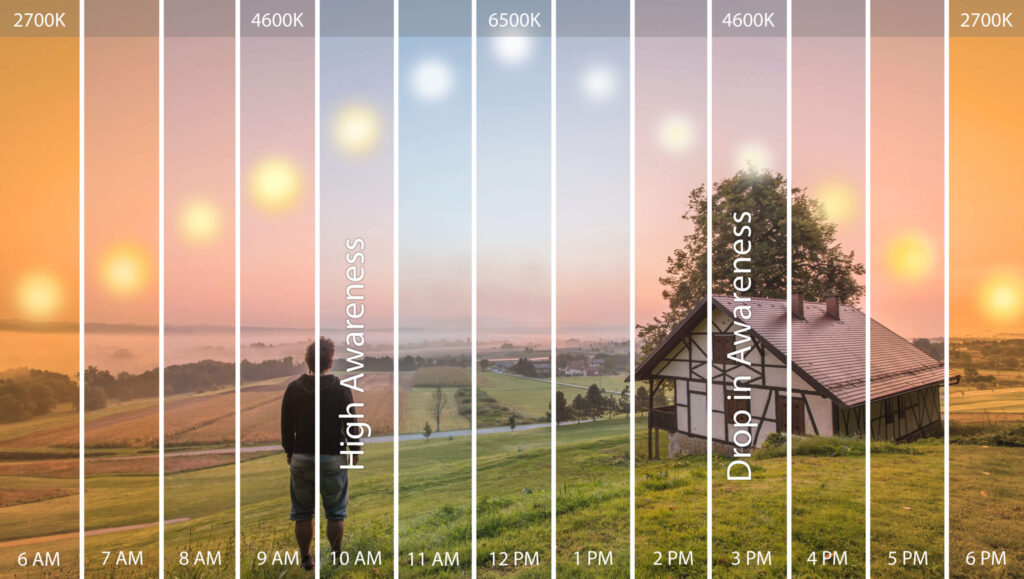
Circadian lighting is a new frontier in indoor lighting design, aimed at supporting the body’s natural 24-hour internal clock—known as the circadian rhythm. Unlike traditional lighting, which prioritizes brightness and color rendering for visual tasks, circadian lighting is designed with biology in mind. It seeks to mimic the natural light cycle of the sun, signaling the brain when it’s time to be alert and active, and when it’s time to relax and prepare for rest.
Color Tuning VS. True Circadian Lighting for Improved Health
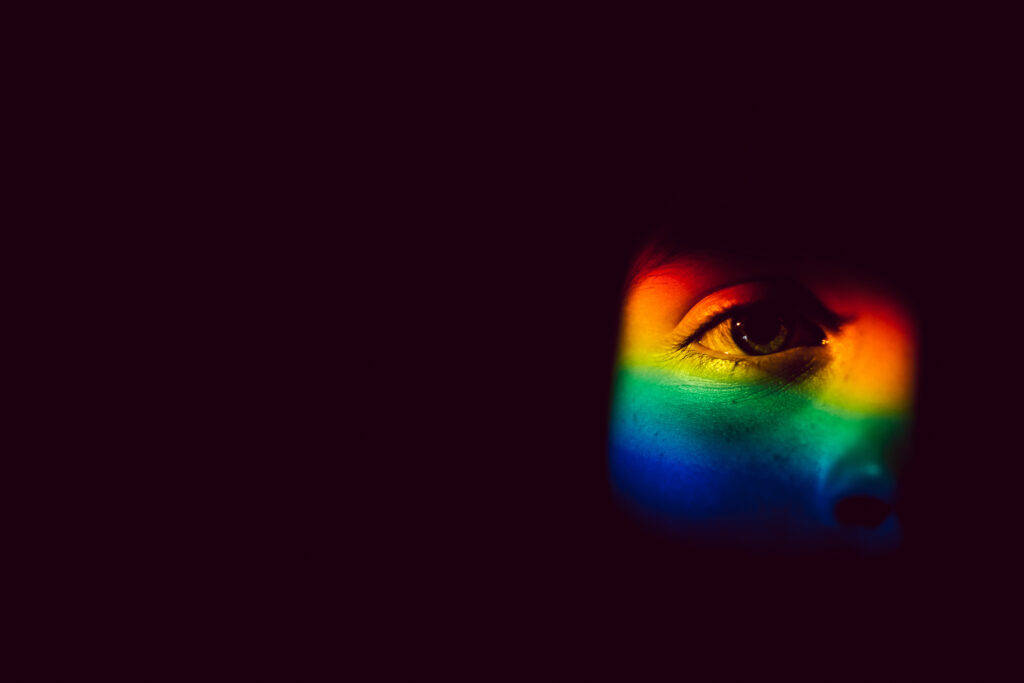
What if many of the things that ail us could be addressed by something as simple as proper exposure to natural light? Research findings over the past decade have granted new understanding about how our physical health and performance is linked to the sun and our natural sleep/wake cycle.
How Does Our Circadian Rhythm Affect Our Health?
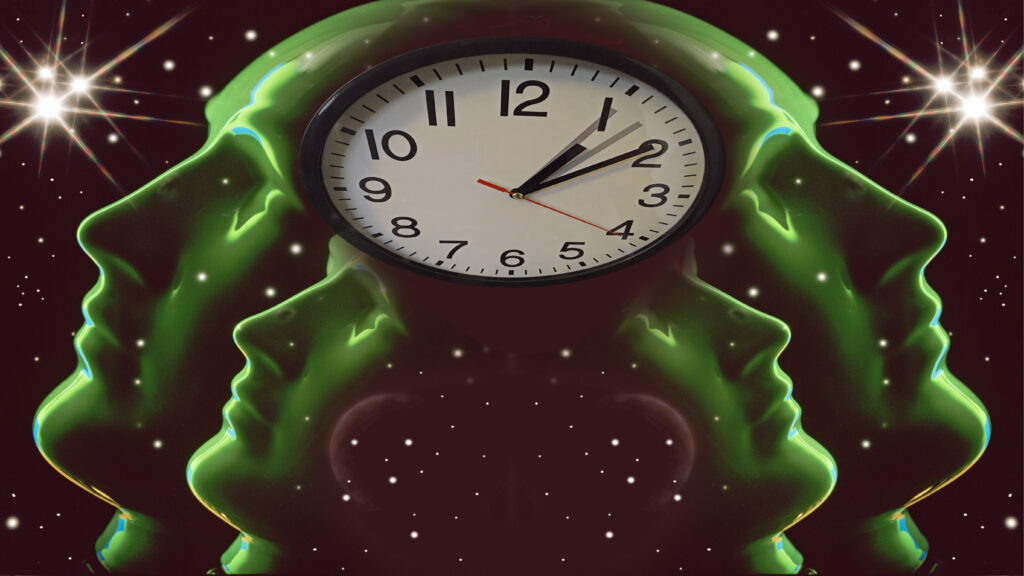
Our circadian rhythm is best described as the natural cycle of mental, physical, and behavioral changes the body goes through in a 24 hour cycle. Often referred to as our “biological clock”, this system helps to regulate our bodies to function optimally within the cycle of a day.
In this blog we will discuss the affects of circadian rhythm and health by examining the underlying hormonal processes within that are governed by it. These hormonal processes can directly affect our mood, mental health, sleep quality, and even our productivity. Understanding how light affects these processes can help us to optimize our lives and improve our overall health.
Circadian Lighting Design Made Simple
The discovery that light fundamentally affects our health revolutionized how we think about lighting interior spaces. Lighting design now involves considerations of biology, especially the impact of illumination on circadian rhythm.
Business at the speed of (circadian) light: A F500 Company Productivity Study

The business world is transforming not just because of technological or strategic innovations, but also because of biology. Many recent biological breakthroughs in how our living environment affects fundamental health are making it clear that the air we breathe, the food we eat, and the light that shines upon us have deep-biological influences on our minds and bodies.
Circadian Lighting for Senior Living and Elderly Care

Caring for older adults in senior living or memory care facilities presents unique challenges—especially related to disrupted sleep-wake cycles. Many residents, particularly those with dementia or Alzheimer’s disease, spend most or all of their time indoors and away from natural light cues. Unfortunately, traditional electric lighting does not provide the critical sky-blue light signals required to maintain healthy circadian rhythms—the biological clock that governs sleep, alertness, mood, and metabolism.
Daylighting, Weather, and Wuthering Heights

As I put down the book to take a break from the bleak, stormy moors and constant gloom surrounding Wuthering Heights, the steady downpour outside my window accentuates my blah feelings on an otherwise relaxing winter weekend. I’m struck by the decidedly muted light bathing my reading chair, despite it being midday in Spring, and sitting within a meter of a large, east-facing window. I wondered how much mood- and energy-boosting natural light actually reaches me through the window during inclement weather. My handy melanopic spectrometer, held vertically facing the window at 1.5m, registered a mere 155 m-EDI despite being bright enough to read by. Could my present funk be part Brontë and part melanopic light deficiency?
From Burnout to Brightness: Recreating Sky-blue Days Indoors to Power Through the Winter Months
We all know the feeling: winter hits, the sun sets before dinner, and suddenly everything feels harder. Getting out of bed is a chore. Work productivity dips. Moods darken. But this isn’t just a seasonal inconvenience—it’s a significant public health concern, and light is at the center of it all.