
How to Measure Light Intensity
In architectural lighting, light intensity or light output is measured to understand whether a particular light source provides enough light for an intended application. The lighting industry has well-established light level recommendations for a wide range of applications and space types. It is especially useful to understand light intensity in order to properly evaluate whether or not a space has adequate lighting conditions.
This article will cover a few basic principles related to light intensity – how to measure light intensity, the difference is between lumens and illuminance (and what they mean), plus we will discuss the ways in which artificial light has become so critical to our daily lives and well-being.
Bring the Sunlight Indoors with Circadian Design
You may already know about the critical role that circadian rhythm plays in our health and performance, and how it takes its cues from the sun. You may already understand that our built environments insulate us from these cues, compromising our biological needs. Have you considered implementing lighting solutions that maintain our natural circadian clocks?
In his recent talk at CHPC Housing Innovation Lab Basements, Robert Soler, VP of Biological Technology & Research at BIOS Lighting, describes how builders can design indoor environments that support our circadian system rather than compromise it. Read on to get the key takeaways!
How to Choose Quality Over Quantity of Light
Quality has not always been a priority when choosing lighting. Most lights are designed to illuminate your environment so you can see where you are and what you’re doing — it seems like a simple job. However, these lights come with certain hazards that interfere with our health and, in turn, many aspects of our lives.
Space Station engineer says indoor lights are making us sick. Here’s why
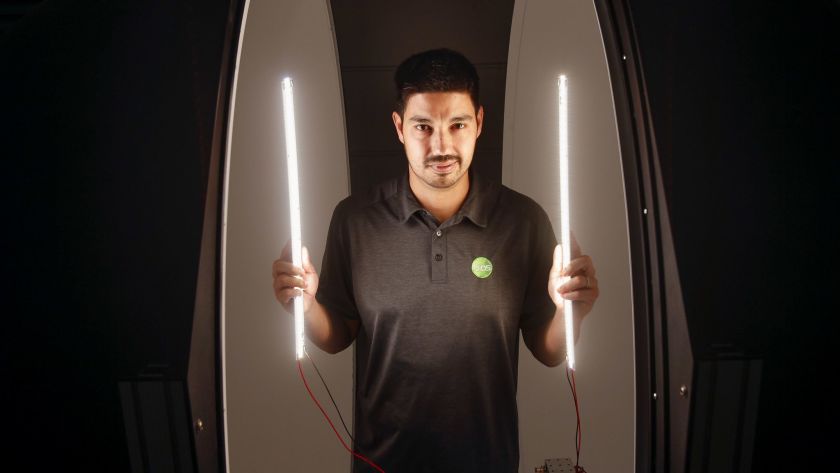
Those fluorescent lights hanging above your cubicle might be making you sick, depressed and obese, according to ex-NASA scientist Robert Soler.
The Carlsbad resident is an expert on how sunshine — or lack thereof — affects our biology. He designed the lighting system on the International Space Station, helping astronauts stay healthy while living in the perpetual darkness of space. Today, Soler has turned his attention to more terrestrial needs. He’s launched a startup in North County called Bios Lighting, where they’re making new-age lights more suited for keeping people and plants healthy — lights that bring the health benefits of real sunlight indoors.
The Biology Behind Productivity: Why Lighting Plays A Critical Office Role

Renovating or moving your office? Careful consideration of lighting can greatly impact the overall health and happiness of employees. When you think of an office setup, you typically imagine a workplace equipped with standard chairs, desks, and cubicles. However, in recent years, the introduction of standing desks and adjustable workstations has made a significant transformation in the office environment. With sitting no longer being the sole option, standing desks – used as a ‘healthier’ option and opportunity to break out of your chair without interrupting workflow – are even becoming a perk highlighted in job listings.