
5 Health Benefits of Natural Light and Sunlight
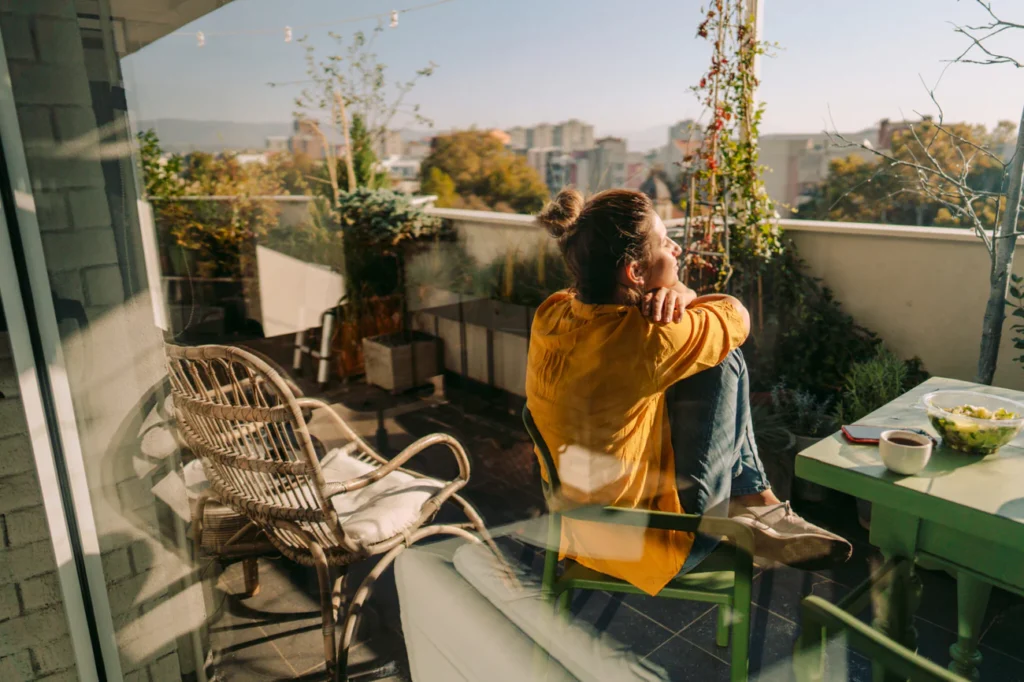
93% of our lives are spent indoors. You’ve most likely heard this statistic from us a million times, but we can’t stress it enough! Because of this, we often overlook the profound impact that natural light and sunlight can have on our well-being. Everything from enhancing our mood to fine-tuning our body’s master clock, the benefits of natural light are limitless. So, let’s dive into the science of it all and go through some of the benefits we can get from natural light and sunlight.
The Connection Between Light and Weight Loss

When it comes to managing weight, most of us are accustomed to the hard and exhausting balance of dieting and regular exercise. Not only that, but we spend most of our lives indoors under standard LED lighting. What does that have to do with weight?
Standard indoor lighting can actually affect our hunger levels and how effectively our metabolism works. Even though research shows that our modern habits can negatively affect our health, light can be the aid we need to help with weight management. That’s right, light can be the missing link. Light exposure and the timing of light exposure can be the difference between a healthy eating cycle and overeating.
How to Use a Happy Light and Do They Actually Work?

As the sun sets earlier and we head into the fall and winter months, many struggle with seasonal changes that can impact mood and energy levels. Also known as Seasonal Affective Disorder, SAD affects people in areas where the winter days are short and there’s not a lot of sunlight during the day. This is where the concept of a “happy light” or SAD lamp comes into play, offering a potential solution to combat these challenges. Even though they’ve gained popularity, we do have to question if they’re really working or are they just a band-aid for more serious health issues?
Debunking the Blue Light Myth: Why Blue Light Blockers are the Problem
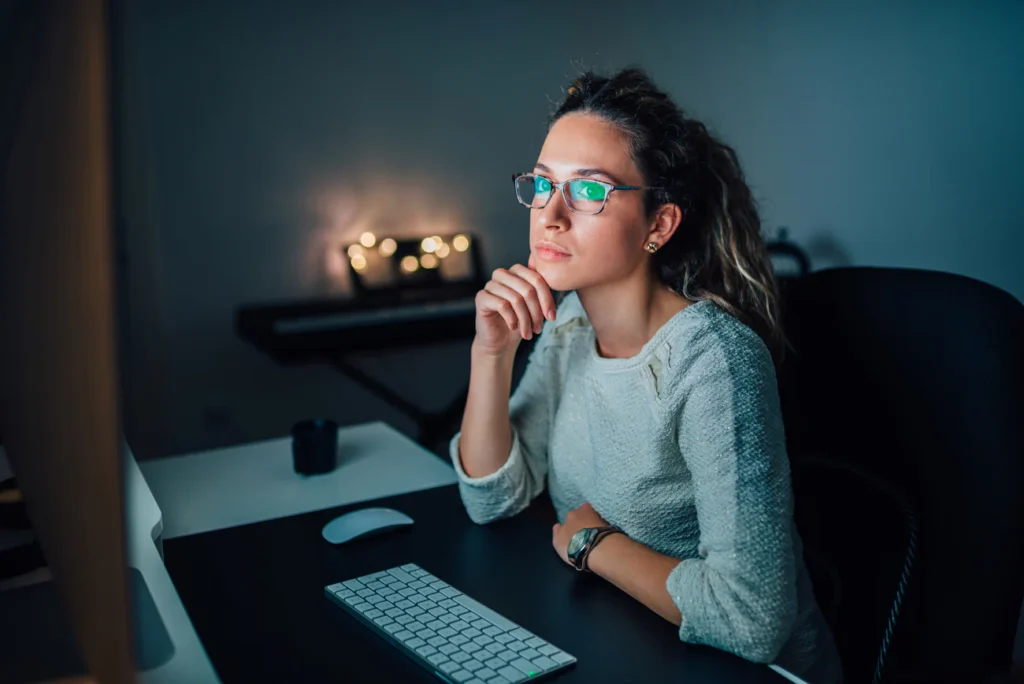
Blue light blockers have risen in popularity over the years – screen covers, glasses, no matter what form it comes in, it seems like everyone is telling us that you need them. But here’s the thing, we need blue light to survive. It does everything from boosting alertness, helps memory and brain function, elevating mood, and regulating our circadian rhythm and hormonal balance.
So why does it get a bad rep? We’ll examine the science and help you understand when you should and shouldn’t need blue light.
Discovering the Best Color Light for Sleep: A Comprehensive Guide
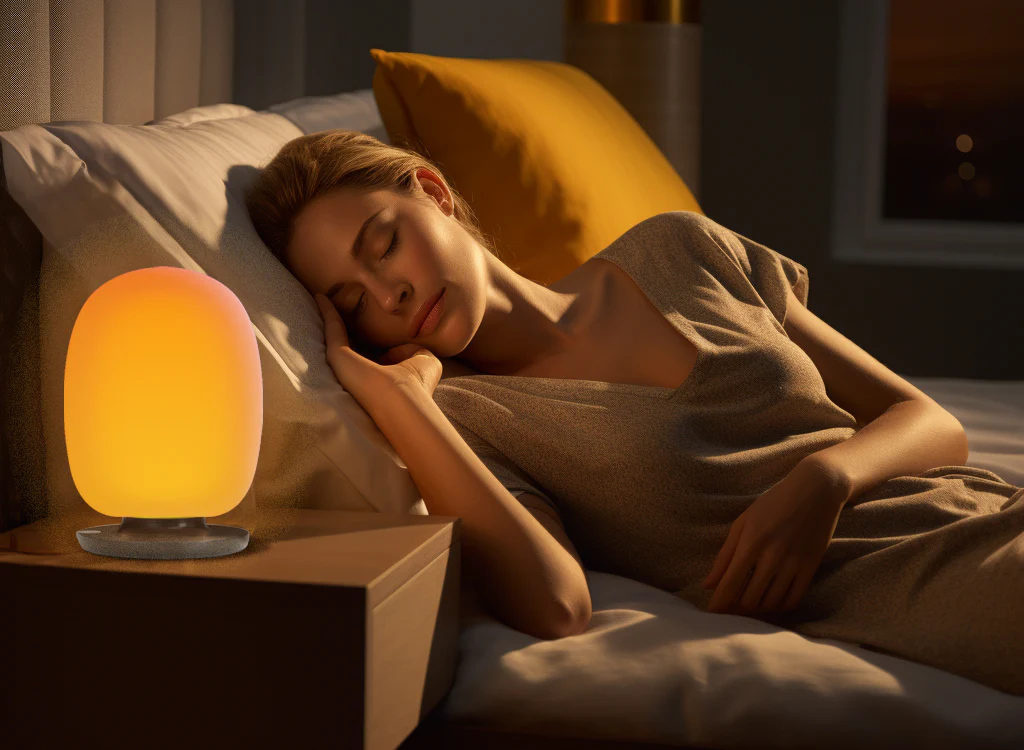
Ok so there’s no best color light for sleep while you sleep because we need complete darkness to have good sleep. But, there is a science behind sleep and color lighting throughout the day that can promote a healthy sleep cycle.
While we often focus on factors like mattress quality and room temperature, the impact of illumination on sleep quality cannot be underestimated. Dive into the science behind sleep and color lighting to determine the best color light for promoting a healthy sleep cycle.
What is the Healthiest Type of Light?

You may have heard of “Healthy Lighting” or “Human Lighting” and wondered, “What form of light IS the healthiest?” You here talk of “natural light” or “sunlight” as being “healthy”, but why? Could there be more to light than brightness. And how healthy is indoor lighting then? after all, we’re inside a lot of our lives. It turns out that not all electric lighting is created equal, and in practice, most of it is unhealthy.
Certain types of light can fundamentally affect your circadian rhythm and in turn your overall health, so making the right choice for your in-home or in-office lighting matters. In this blog, we’ll look at our biological need for blue-sky light, the types of lighting currently available and best practices for ensuring you and your family are bathed in the healthiest light (spoiler: you need the right light at the right time of day).
Why You Should Care About Human-Centric (HCL) Lighting
Indoor Lighting technology is at a watershed moment. In the past homeowners and business owners focused on brightness and energy efficiency, but these days the right lighting can do so much more, including supporting the human circadian rhythm and health.
Human-centric lighting, also called circadian, circadian-effective lighting, or melanopic lighting describes any advanced lighting solutions that synchronize with how the body utilizes the natural light cycle to stay healthy and productive. Where does traditional lighting fall short, and how much of a difference can human-centric lighting truly make in a world that spends more time indoors than ever before?
What is Mood Lighting? Mood Lighting vs. Lighting for Your Mood
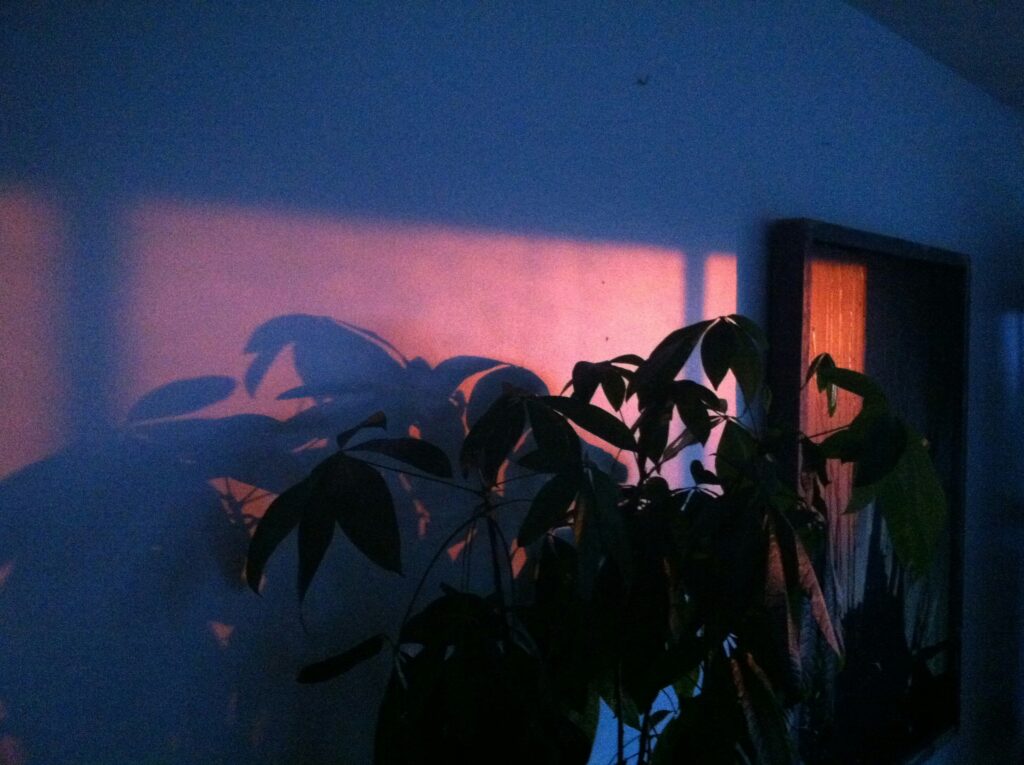
We’ve all heard of mood lighting being used in restaurants and bars to increase business or to create a desired atmosphere, but did you know that the right light at the right time can alter the way we feel and actually improve our mood?
In this blog we will discuss the difference between mood lighting and lighting that improves our mood, focus, and alertness, with a focus on how we can engender those effects using the right type of light.
How Does Light affect our Circadian Rhythm, Health and Wellness?

Our circadian rhythm is the internal, 24-hour biological clock that governs sleep, hormone production, digestion, alertness, and mood. This intricate cycle helps us feel awake and energized during the day and prepares us for rest and repair at night. Disruptions to this rhythm can impact our mental, emotional, and physical health in significant ways (Czeisler et al. 1999; Fishbein et al. 2021).
Bridging The Gap Between Lighting Design & Research
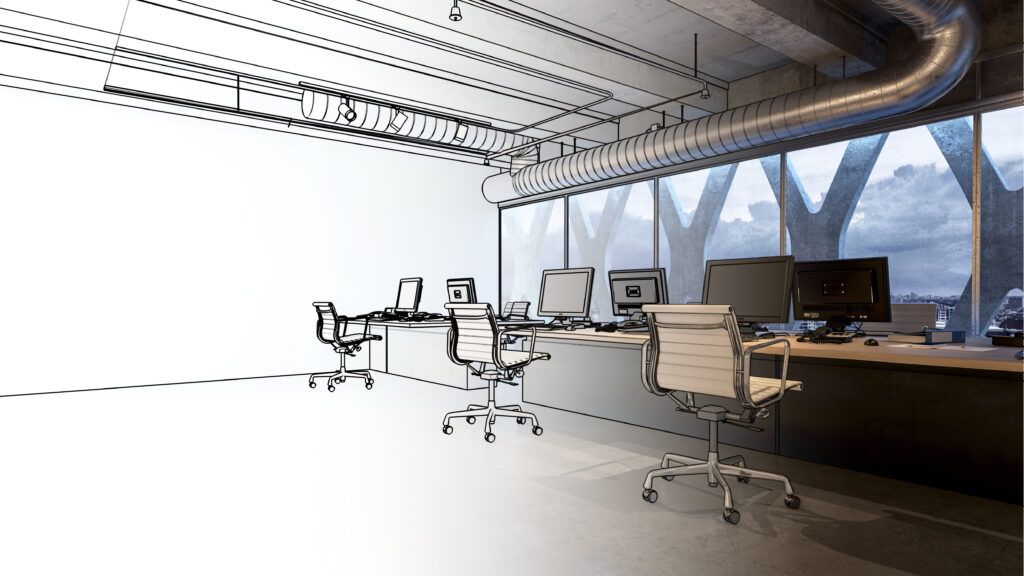
Lighting designers have a keen eye for conceptualizing how light will impact a space, including evaluating optimal lighting placement, understanding color quality, and the impact of color temperature on materials. Visual appeal and visual comfort are usually top priorities for lighting designers, but is it time for them to also consider the health implications of lighting?