
Human-Centric Lighting Proves Its Value in Hospitality – Key Takeaways

We wanted to share this compelling article on occupant lighting preferences with you that was just posted on Inside Lighting. It focuses on new research by Wasti & Chauhan, (2025) published in Scientific Reports, where 100 guests at four resorts were surveyed using questionnaires and field observations. It found that lighting tuned to human rhythms — especially lighting that mimics natural daylight cycles — had clear psychological benefits.
School and Hospital Wellness Rooms Seen in a New Light
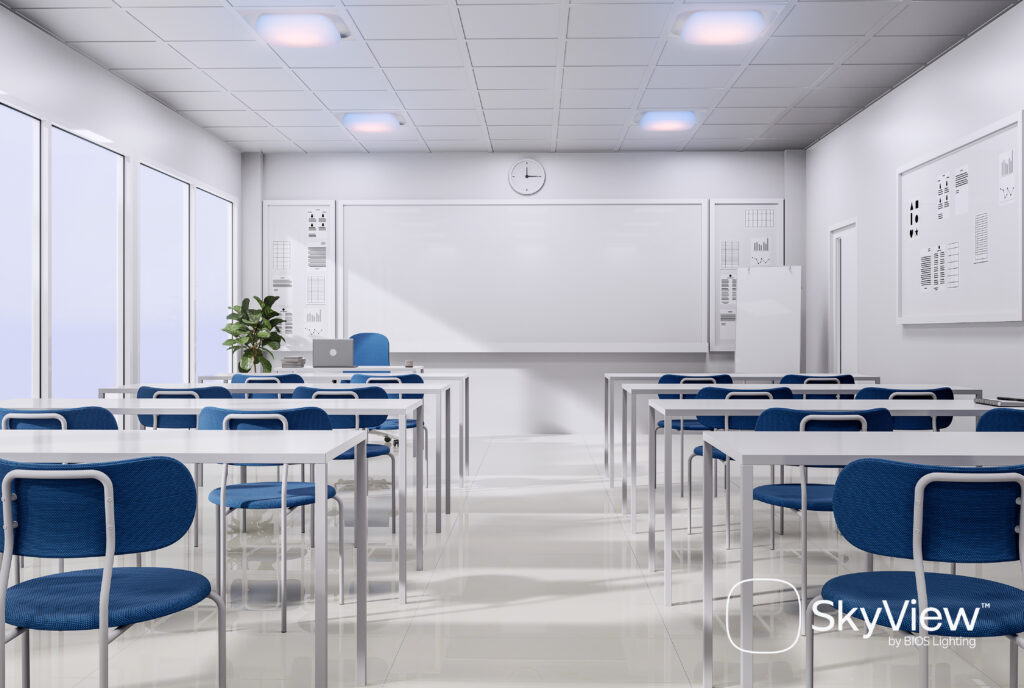
Wellness and calming rooms are increasingly common in K–12 schools and hospitals to reduce stress, improve focus, and support emotional well-being. These spaces often include sensory tools, comfortable seating, and adjustable lighting. However, lighting is typically limited to changes in color or brightness, lacking the high-melanopic circadian lighting crucial for supporting, mood, alertness and regulating biological rhythms—especially important given that most classrooms and offices have bright but sky-blue-deficient lighting.
Color Tuning VS. True Circadian Lighting for Improved Health
What if many of the things that ail us could be addressed by something as simple as proper exposure to natural light? Research findings over the past decade have granted new understanding about how our physical health and performance is linked to the sun and our natural sleep/wake cycle.
Circadian Lighting Design Made Simple
The discovery that light fundamentally affects our health revolutionized how we think about lighting interior spaces. Lighting design now involves considerations of biology, especially the impact of illumination on circadian rhythm.
Fixing the Fundamental Flaw in Indoor Lighting
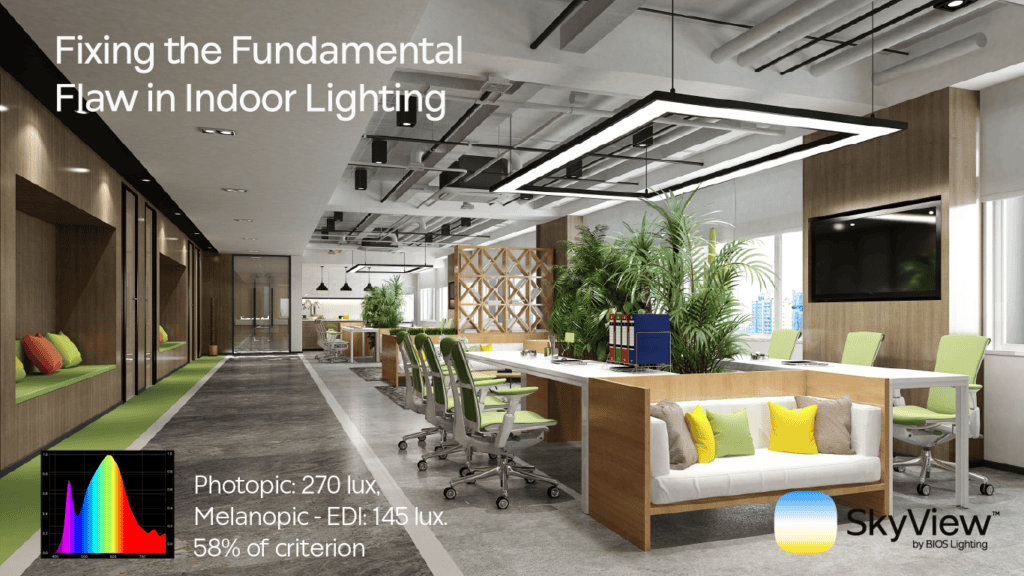
Step outside from a well-lit office into the daylight, and you’re met with a world hundreds of times brighter. Your eyes adjust quickly, so you may not think twice. But that blue sky day that surrounds you tends to bring joy and energy; a gloomy day – not so much. With outside light having such effects on mood and energy, have you ever considered what the effects are of spending so much time under electric lighting?
Discovering the Best Color Light for Sleep: A Comprehensive Guide
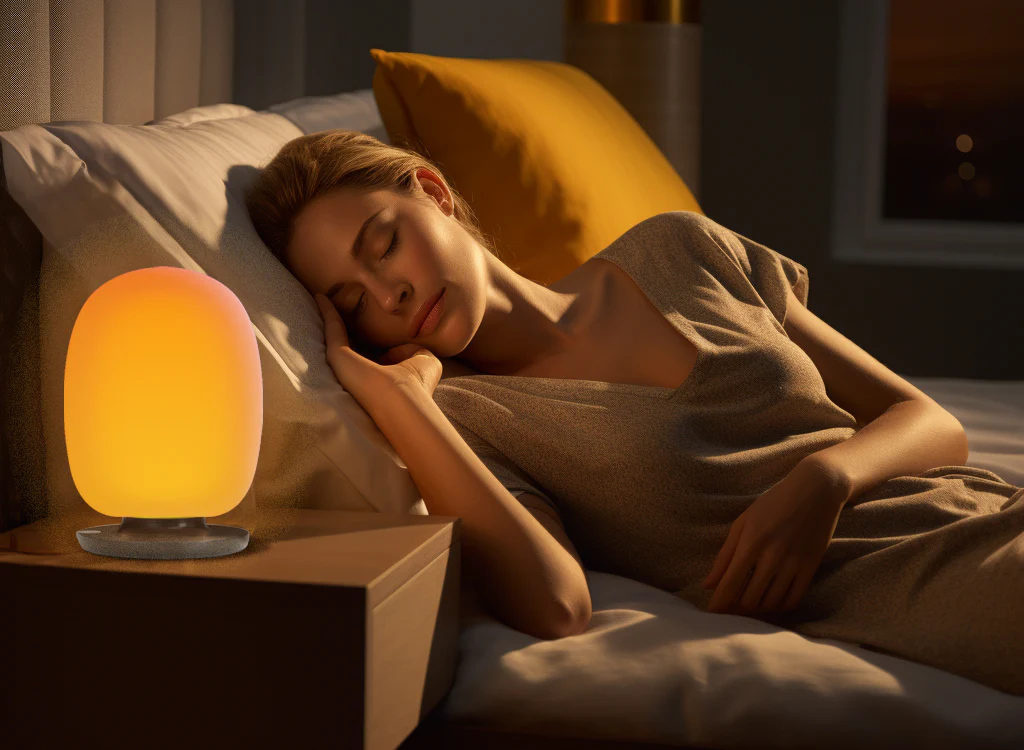
Ok so there’s no best color light for sleep while you sleep because we need complete darkness to have good sleep. But, there is a science behind sleep and color lighting throughout the day that can promote a healthy sleep cycle.
While we often focus on factors like mattress quality and room temperature, the impact of illumination on sleep quality cannot be underestimated. Dive into the science behind sleep and color lighting to determine the best color light for promoting a healthy sleep cycle.
Why You Should Care About Human-Centric (HCL) Lighting

Indoor Lighting technology is at a watershed moment. In the past homeowners and business owners focused on brightness and energy efficiency, but these days the right lighting can do so much more, including supporting the human circadian rhythm and health.
Human-centric lighting, also called circadian, circadian-effective lighting, or melanopic lighting describes any advanced lighting solutions that synchronize with how the body utilizes the natural light cycle to stay healthy and productive. Where does traditional lighting fall short, and how much of a difference can human-centric lighting truly make in a world that spends more time indoors than ever before?
Bridging The Gap Between Lighting Design & Research
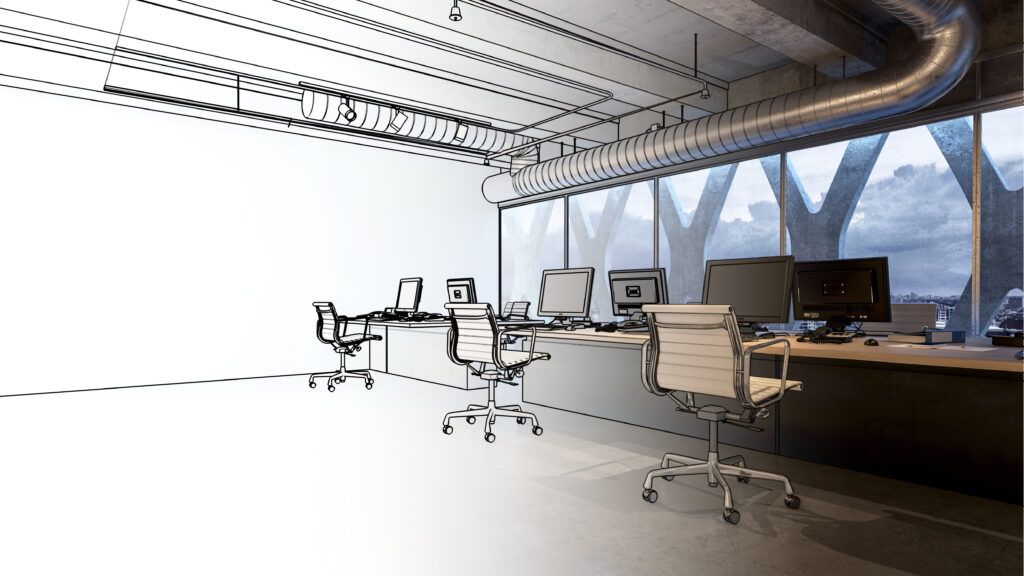
Lighting designers have a keen eye for conceptualizing how light will impact a space, including evaluating optimal lighting placement, understanding color quality, and the impact of color temperature on materials. Visual appeal and visual comfort are usually top priorities for lighting designers, but is it time for them to also consider the health implications of lighting?
How to Measure Light Intensity
In architectural lighting, light intensity or light output is measured to understand whether a particular light source provides enough light for an intended application. The lighting industry has well-established light level recommendations for a wide range of applications and space types. It is especially useful to understand light intensity in order to properly evaluate whether or not a space has adequate lighting conditions.
This article will cover a few basic principles related to light intensity – how to measure light intensity, the difference is between lumens and illuminance (and what they mean), plus we will discuss the ways in which artificial light has become so critical to our daily lives and well-being.
Bring the Sunlight Indoors with Circadian Design

You may already know about the critical role that circadian rhythm plays in our health and performance, and how it takes its cues from the sun. You may already understand that our built environments insulate us from these cues, compromising our biological needs. Have you considered implementing lighting solutions that maintain our natural circadian clocks?
In his recent talk at CHPC Housing Innovation Lab Basements, Robert Soler, VP of Biological Technology & Research at BIOS Lighting, describes how builders can design indoor environments that support our circadian system rather than compromise it. Read on to get the key takeaways!