
SkyView™ Technology DOE Grant to Revolutionize Circadian Lighting

We are thrilled to announce that Biological Innovations and Optimization Systems, LLC was recently awarded a prestigious $1 million grant from the Department of Energy (DOE) for our groundbreaking SkyView™ technology! This funding highlights the DOE’s recognition of our advancements in illuminating visually appealing environments while significantly optimizing circadian health through our patented Gradient Circadian Optimization (GCO) technology, embedded in the SkyView™ Tile.
Bright Students – Dark Classrooms – Why Healthier School Lighting Matters
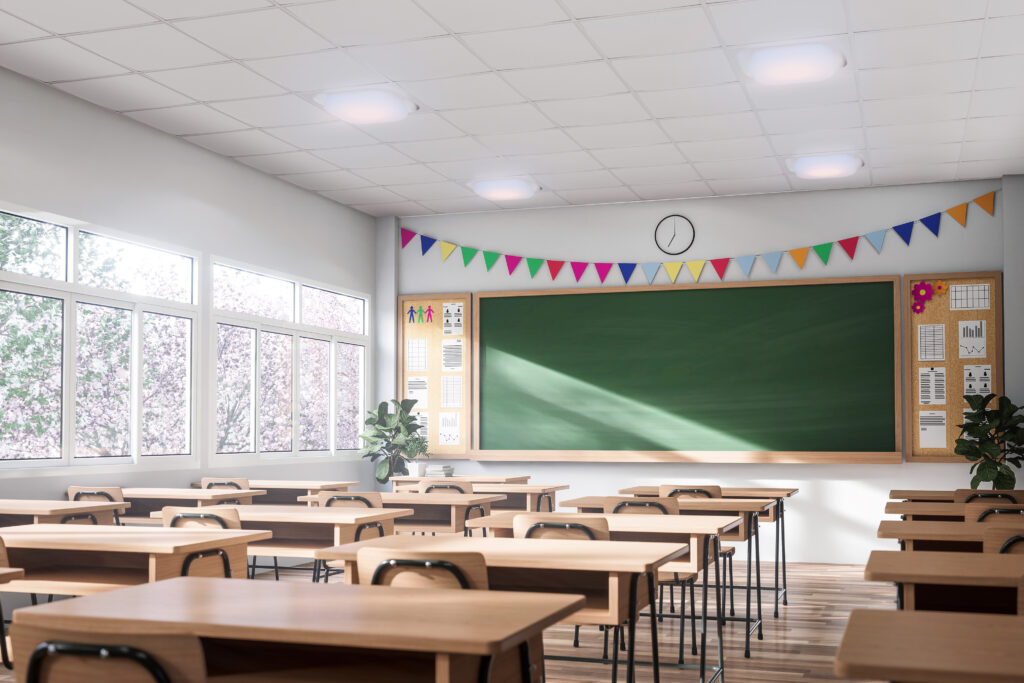
Imagine walking into a classroom where every student has the same textbooks, the same desks, and the same teacher—yet some students can’t absorb the material because the lighting isn’t right. That’s essentially what’s happening with melanopic light exposure in many classrooms today.
Fixing the Fundamental Flaw in Indoor Lighting
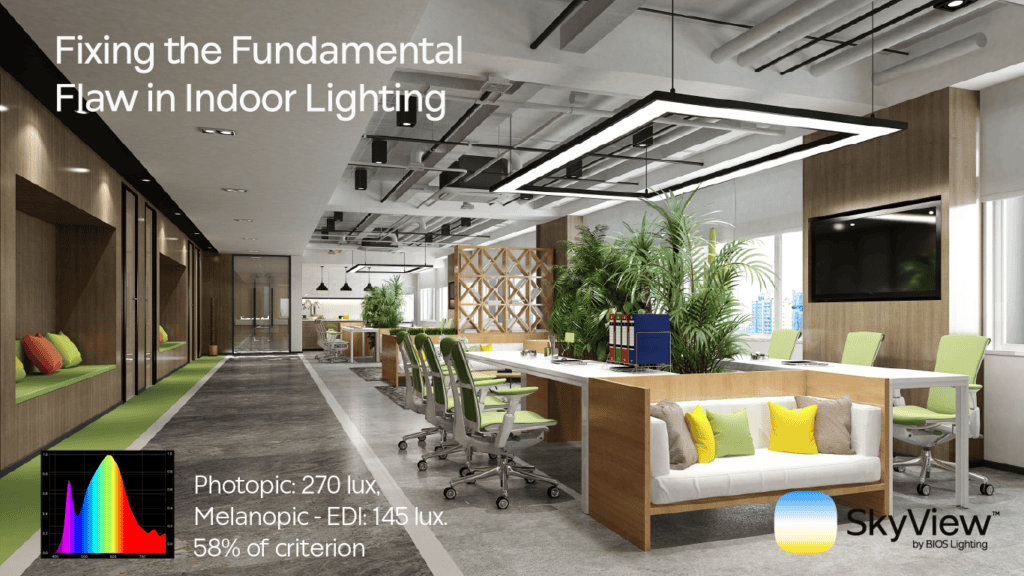
Step outside from a well-lit office into the daylight, and you’re met with a world hundreds of times brighter. Your eyes adjust quickly, so you may not think twice. But that blue sky day that surrounds you tends to bring joy and energy; a gloomy day – not so much. With outside light having such effects on mood and energy, have you ever considered what the effects are of spending so much time under electric lighting?
Discovering the Best Color Light for Sleep: A Comprehensive Guide
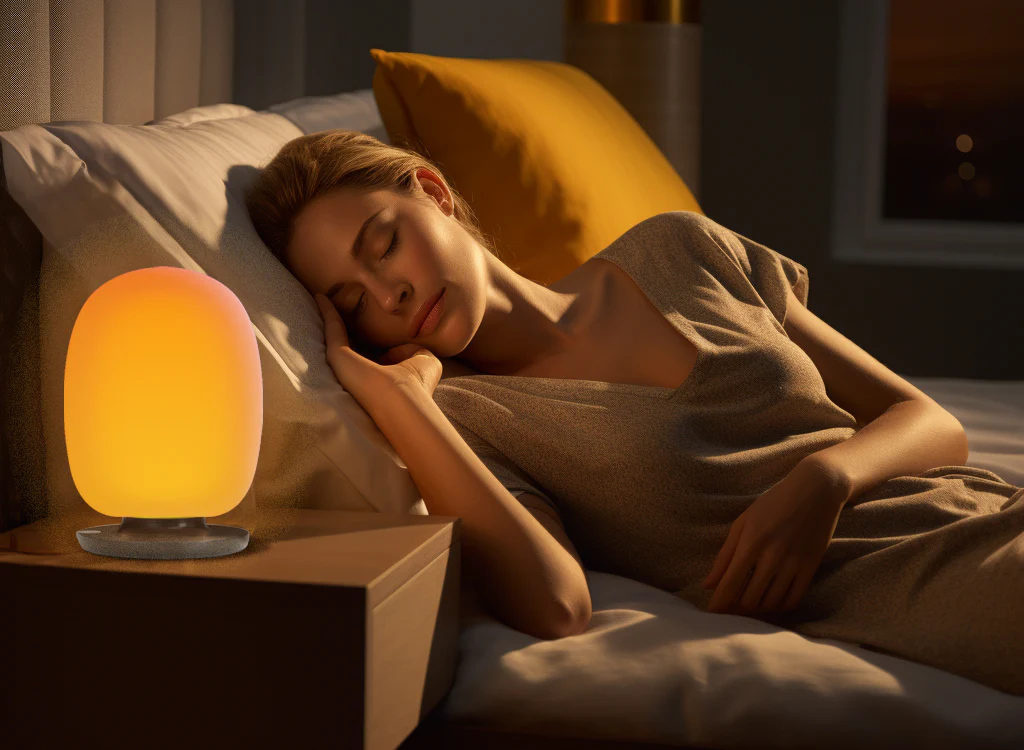
Ok so there’s no best color light for sleep while you sleep because we need complete darkness to have good sleep. But, there is a science behind sleep and color lighting throughout the day that can promote a healthy sleep cycle.
While we often focus on factors like mattress quality and room temperature, the impact of illumination on sleep quality cannot be underestimated. Dive into the science behind sleep and color lighting to determine the best color light for promoting a healthy sleep cycle.
Why You Should Care About Human-Centric (HCL) Lighting

Indoor Lighting technology is at a watershed moment. In the past homeowners and business owners focused on brightness and energy efficiency, but these days the right lighting can do so much more, including supporting the human circadian rhythm and health.
Human-centric lighting, also called circadian, circadian-effective lighting, or melanopic lighting describes any advanced lighting solutions that synchronize with how the body utilizes the natural light cycle to stay healthy and productive. Where does traditional lighting fall short, and how much of a difference can human-centric lighting truly make in a world that spends more time indoors than ever before?
What is Mood Lighting? Mood Lighting vs. Lighting for Your Mood
We’ve all heard of mood lighting being used in restaurants and bars to increase business or to create a desired atmosphere, but did you know that the right light at the right time can alter the way we feel and actually improve our mood?
In this blog we will discuss the difference between mood lighting and lighting that improves our mood, focus, and alertness, with a focus on how we can engender those effects using the right type of light.
How Does Light affect our Circadian Rhythm, Health and Wellness?

Our circadian rhythm is the internal, 24-hour biological clock that governs sleep, hormone production, digestion, alertness, and mood. This intricate cycle helps us feel awake and energized during the day and prepares us for rest and repair at night. Disruptions to this rhythm can impact our mental, emotional, and physical health in significant ways (Czeisler et al. 1999; Fishbein et al. 2021).
Bridging The Gap Between Lighting Design & Research
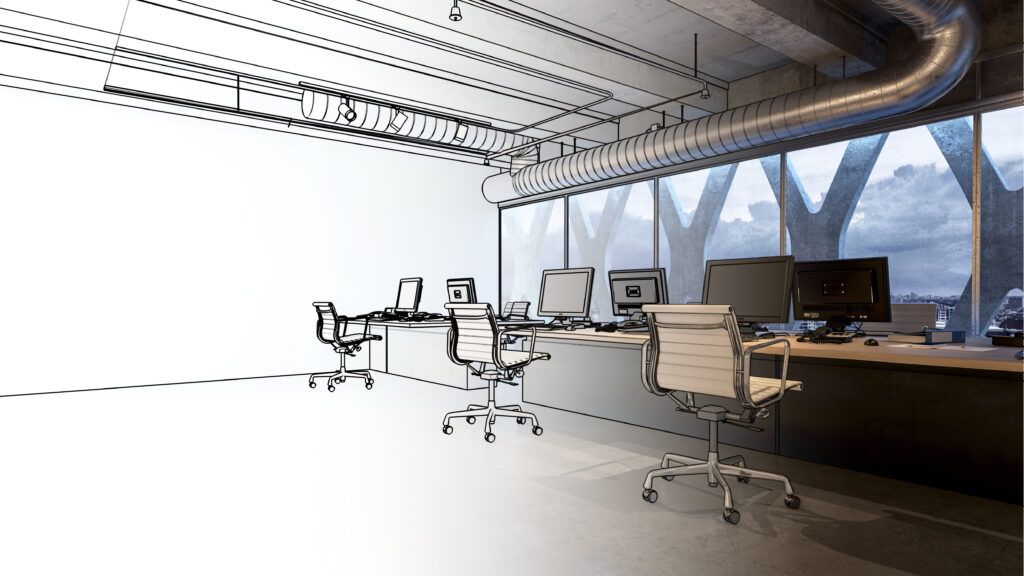
Lighting designers have a keen eye for conceptualizing how light will impact a space, including evaluating optimal lighting placement, understanding color quality, and the impact of color temperature on materials. Visual appeal and visual comfort are usually top priorities for lighting designers, but is it time for them to also consider the health implications of lighting?
Bring the Sunlight Indoors with Circadian Design

You may already know about the critical role that circadian rhythm plays in our health and performance, and how it takes its cues from the sun. You may already understand that our built environments insulate us from these cues, compromising our biological needs. Have you considered implementing lighting solutions that maintain our natural circadian clocks?
In his recent talk at CHPC Housing Innovation Lab Basements, Robert Soler, VP of Biological Technology & Research at BIOS Lighting, describes how builders can design indoor environments that support our circadian system rather than compromise it. Read on to get the key takeaways!
How to Choose Quality Over Quantity of Light
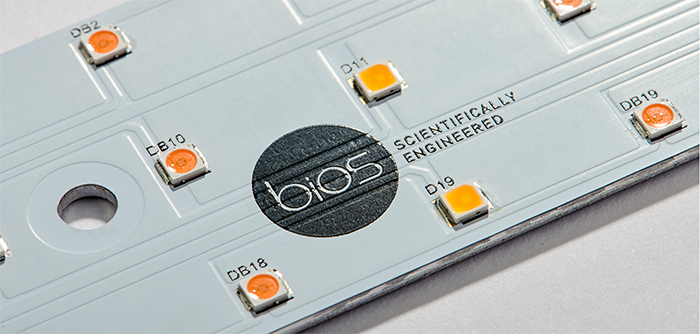
Quality has not always been a priority when choosing lighting. Most lights are designed to illuminate your environment so you can see where you are and what you’re doing — it seems like a simple job. However, these lights come with certain hazards that interfere with our health and, in turn, many aspects of our lives.